Reading a Marlborough vintage report
What a Marlborough vintage report says about the wine in your glass, which recent years ran warm, cool, small or generous, and how long sauvignon blanc keeps.
- Published: 15 September, 2026
- 1091 words
- 5 min read
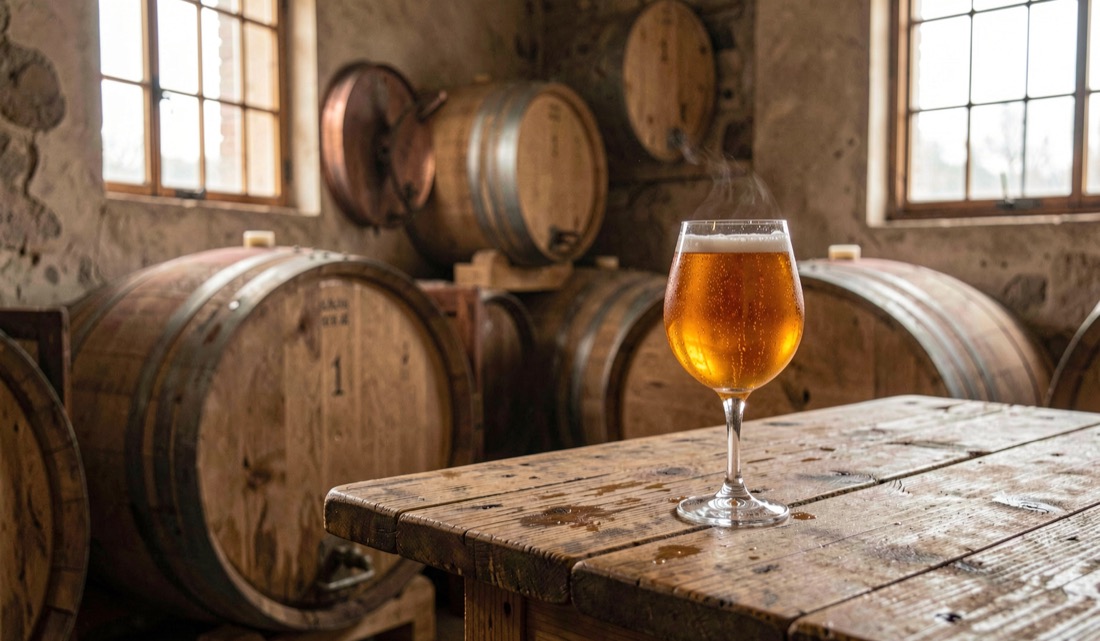
A Marlborough vintage report describes the growing season that produced the grapes, not the wine you are drinking. It tells you whether the fruit ripened under warmth or struggled through frost and rain, and that shapes acidity, sugar and flavour. The year on the label is a summary of those conditions, and it is the single most useful clue to how a bottle will taste and how long it will hold.
What a Marlborough vintage report actually tells you about the wine in the bottle
A vintage report is a record of weather against vine growth. It usually opens with budburst and flowering dates, then tracks the frosts, rain events and heat spikes through veraison and harvest. From that you can infer three things about the wine: how ripe the fruit got, how much acid it kept, and how much concentration the grower was able to leave in the vineyard.
Marlborough sits at the north-east tip of the South Island, and its climate is cool and maritime, with a long dry autumn that lets fruit hang. The Wairau Valley is the sunniest part of New Zealand and also its frostiest wine ground, so a report that mentions spring frost is telling you about reduced yields and, often, more concentrated fruit from the vines that survived. A report that mentions rain at flowering is telling you about poor fruit set and a small crop.
Read the report for the season, then read the wine. High acid and green, herbal notes point to a cool year. Ripe tropical fruit and lower acid point to a warm one. A small crop usually means denser flavour and, in sauvignon blanc, more texture. A generous crop usually means lighter, fresher wine meant for earlier drinking. Regional journals that follow this ground year by year, such as the Wairau Valley wine journal, treat the vintage as the first fact of the bottle, not a marketing line.
Which recent Marlborough years were warm, cool, small or generous?
Vintages are not uniform, and no two reports read alike. The broad pattern in Marlborough over the last two decades runs like this.
Warm, generous years: 2014, 2016, 2019 and 2020 were generally warm and dry through the ripening period, with good sugar accumulation and ripe flavours. Crops were often normal to large. Sauvignon blanc from these years tends to show ripe passionfruit and citrus, softer acidity and earlier drinkability.
Cooler years: 2012, 2015 and 2017 ran cooler and, in places, wetter. Acidity stayed higher, flavours leaned to green apple, lime and fresh herbs, and the wines needed a little more time to settle in bottle. 2015 in particular was a small, early vintage in many blocks after a cool, damp spring.
Small years: 2013, 2015 and 2021 produced lower yields in many vineyards, whether from frost, poor fruit set or grower thinning. Small crops can concentrate flavour, but they also mean less wine and, in some cases, firmer structure that rewards a year or two in bottle.
Generous years: 2014, 2016 and 2020 gave growers plenty of fruit. The wines are often fresh and approachable rather than dense, and they are the ones to drink young.
These are broad strokes. Sub-regions differ: Rapaura, Renwick and the river terraces each drain and warm differently, and a report written for the valley as a whole will not match every block. Treat the year as a starting point, then look at the producer and the site.
How long does Marlborough sauvignon blanc keep?
Most Marlborough sauvignon blanc is made to be drunk within one to three years of the vintage. That is not a flaw; it is the style. The classic form is bottled young and unoaked, built around fresh acidity and aromatic fruit, and it holds that character best in its first two years.
After about three years, the wine begins to change. The bright, green and citrus notes soften, and the fruit moves toward cooked apple, honey and sometimes a struck-match or toast note from slow bottle development. Acidity drops in perception, and the wine feels rounder and less tense. Whether you like that is a matter of taste, but it is a different drink from the one released.
A smaller group of Marlborough sauvignon blancs keeps longer. Barrel-fermented and lees-aged examples, and those from low-yielding blocks in warm years, can hold five to eight years and improve. In those bottles the texture fills out, the fruit gains weight, and the wine can take on a savoury, almost nutty edge. If you are cellaring sauvignon blanc, choose the textured styles and the stronger vintages, and expect the wine to change rather than simply last.
A practical rule: drink the fresh, unoaked style within three years; give the barrel-fermented and low-crop wines five years or more. If you are unsure, open one bottle early and judge for yourself. The vintage report gives you the odds, not the answer.
How the valley's ground and weather end up in the glass
The Wairau River is braided, and over time it has laid down bands of stone, silt and clay across the valley floor. Free-draining stony soils warm quickly and stress vines gently, which helps ripeness and concentration. Heavier silt and clay hold water and slow the vines, which can keep acidity higher and yields lower. A vintage report that mentions a dry, warm autumn is telling you the stony sites did well; one that mentions a wet spring is telling you the wetter blocks struggled.
Frost is the other constant. Marlborough is the frostiest wine ground in New Zealand, and spring frost can cut a crop before it forms. Growers use wind machines, sprinklers and careful site selection to manage it. When a report notes frost, expect smaller volumes and, often, better concentration in the fruit that survived.
What to do with the year on the label
Use the vintage as a filter, not a verdict. If you want a fresh, aromatic sauvignon blanc for the next year, a generous warm vintage is a safe choice. If you want something with more texture and a few years of life, look for a small or cool vintage from a producer who barrel-ferments or ages on lees. If you are buying to keep, check the year against the style before you commit.
The report will not tell you whether you personally like the wine. It will tell you what kind of season made it, and that is enough to make a better decision at the shelf.